Celebrating women from the past, and women now
Every year on 8th March, International Women’s Day recognises the achievements, struggles and resilience of women across the globe.
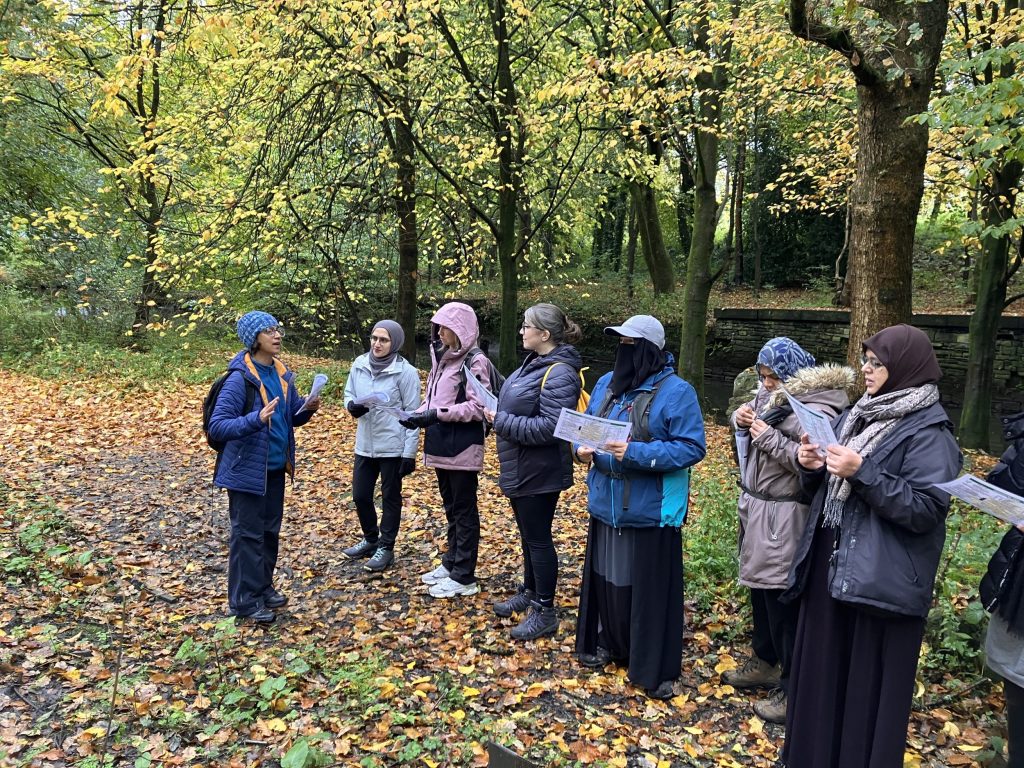
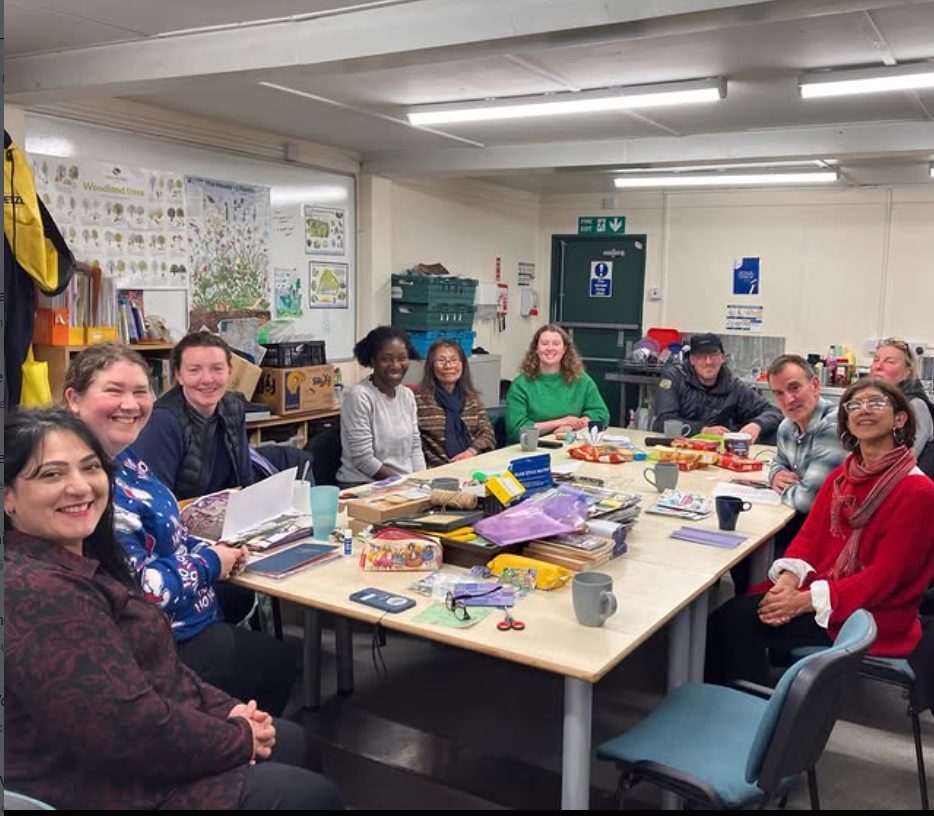
Today, Nacro is celebrating influential women from history who’ve paved the way for social justice, as well as celebrating the achievements of women now – women who are working for, supported by, or volunteering for Nacro.
Influential women from history
There are so many pioneering women who have achieved great things for social justice. Here are just a few who we’re highlighting today:
- Sarah Martin (1791 – 1843): Prison visitor and reformer, teaching people in prison to read and write.
- Mary Carpenter (1807-1877: Social reformer, and founder of free schools for poor children known as the “ragged schools”.
- Olive Morris (1952 – 1979): Community leader and housing activist. Olive co-founded Brixton Black Women’s Group and Organisation of Women of African and Asian Descent.
Women at Nacro today
For this International Women’s Day, we also wanted to spotlight some of the incredible women in Nacro’s community. Did you know that:
- 71% of our staff are women.
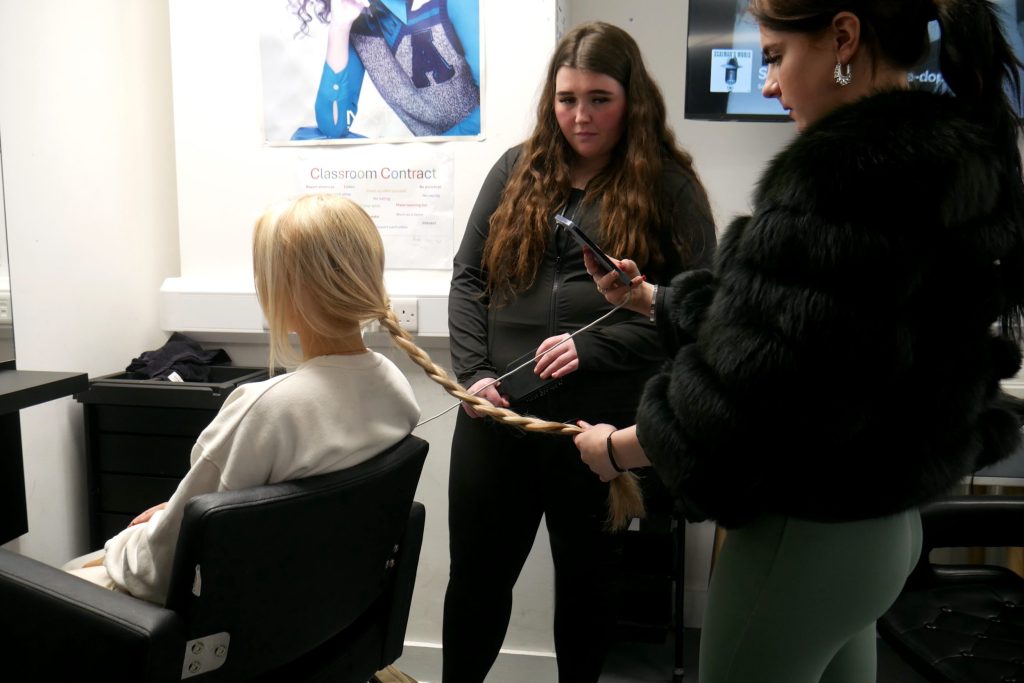
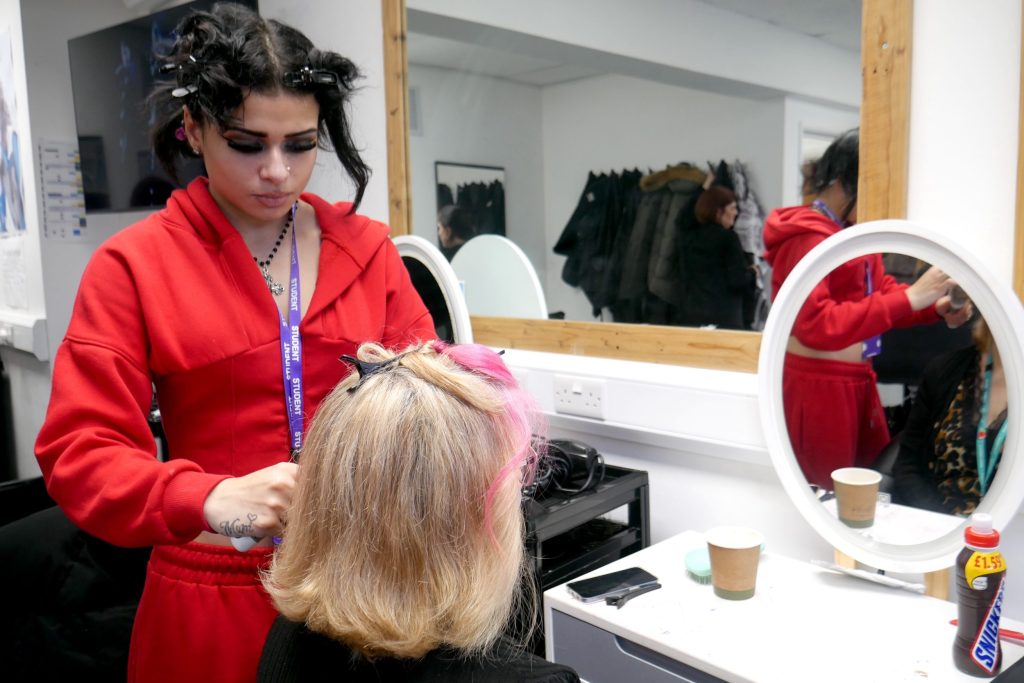
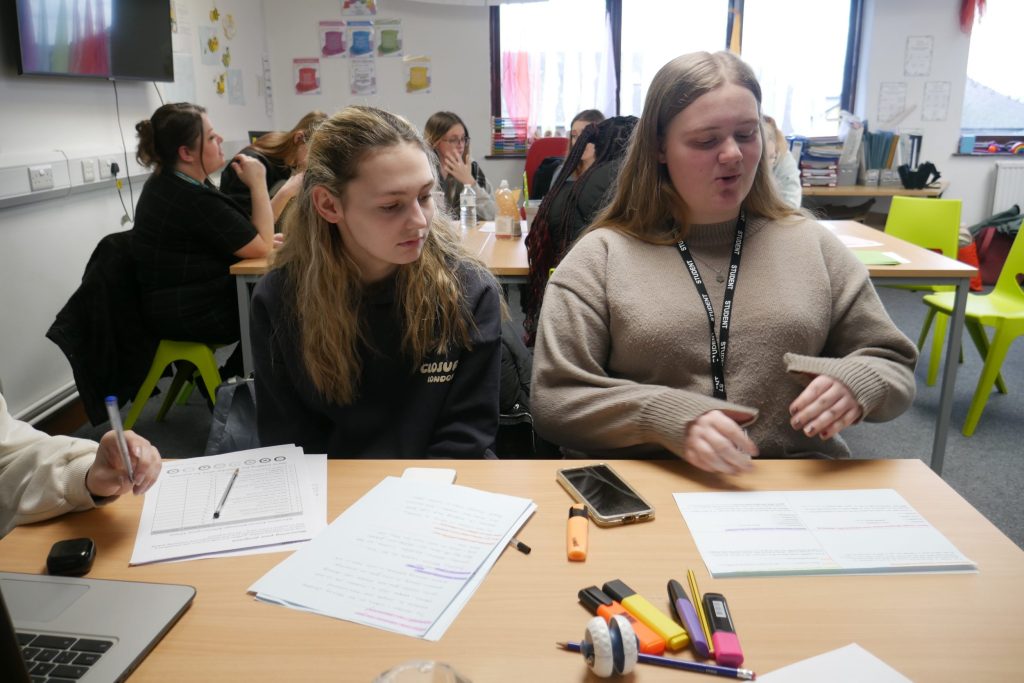
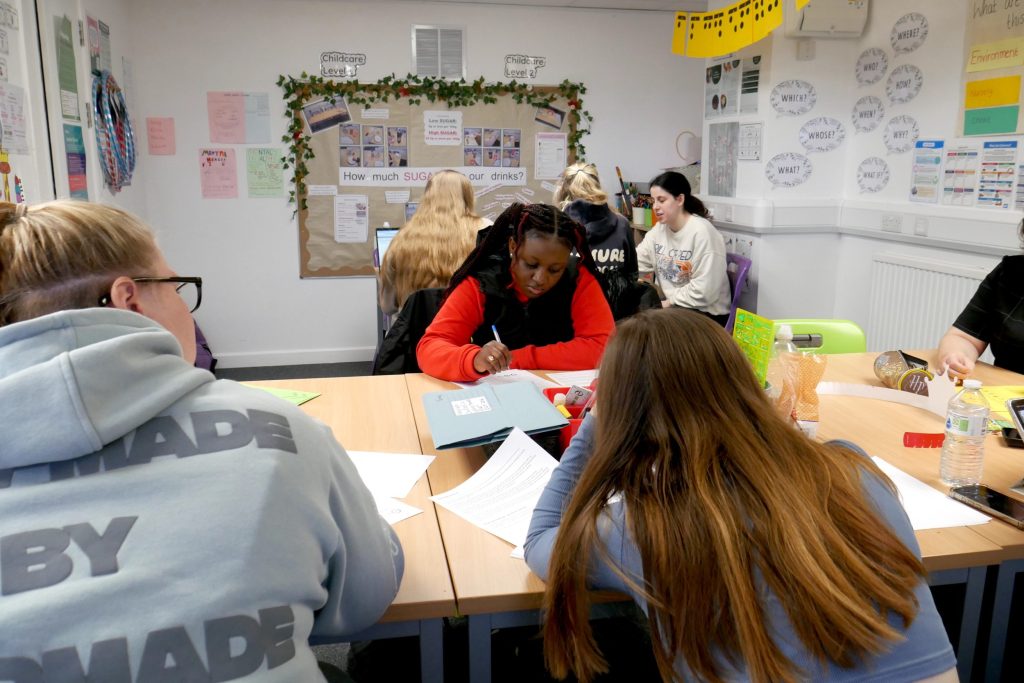
- We support girls and young women in our education centres, young women who are care-leavers, women at risk of homelessness, women who are victims and survivors of domestic abuse, and women who have been in contact with the criminal justice system.
Today, we’re renewing our commitment as an organisation to providing equal and equitable opportunities to women – in our 60th anniversary year and beyond.
Mya’s journey working at Nacro
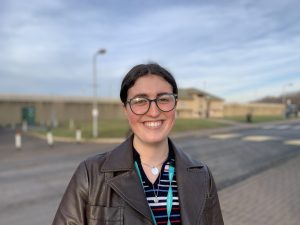
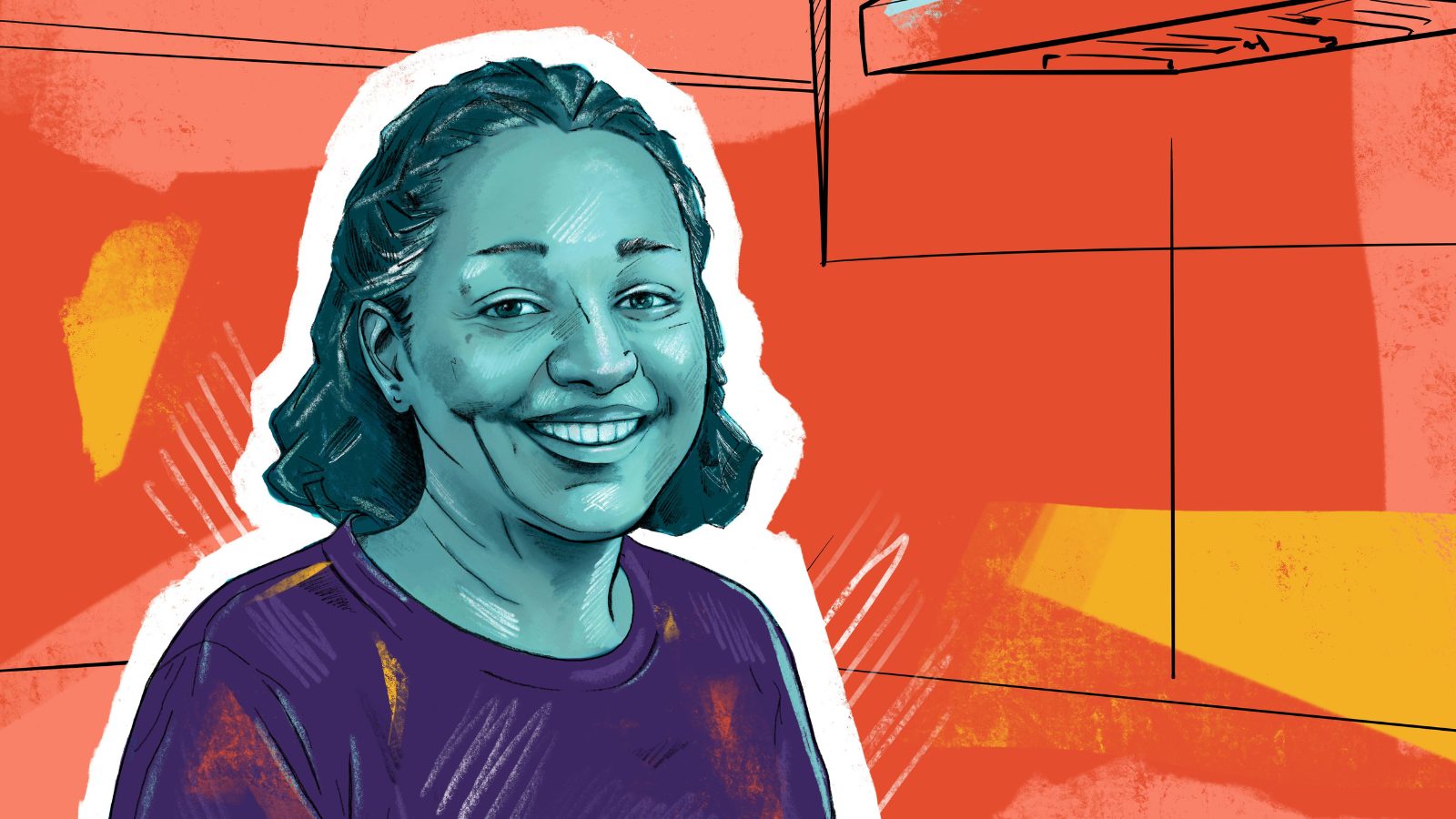
Mya Clark is a Service User Involvement Officer, amplifying the voices of the people we support across Nacro’s Justice, Health, Education and Housing services. Having seen the challenges people face when trying to rebuild their lives after contact with the justice system, she is passionate about making sure those most affected have a real say in the changes that matter. She ensures that the experiences of women are in each briefing and campaign Nacro produce, so that our policy calls are inclusive of both men’s and women’s experiences.